
Sharpening Stones & Systems, San Mai Steel Knives & more..
0
in the Industry
0
Happy Customers
0
Verified Reviews
Since 2010 USA-Market® has been producing San Mai steel for knives and developing professional sharpening tools.
Achieve Razor Sharp Edges at Any Level From beginner to pro — choose the setup that fits your skills.
Achieve Razor Sharp Edges at Any Level From beginner to pro — choose the setup that fits your skills.

“Give me six hours to chop down a tree and I will spend the first four sharpening the axe”
Abraham Lincoln
Not sure where to start?
Choose your sharpening level ⤵︎
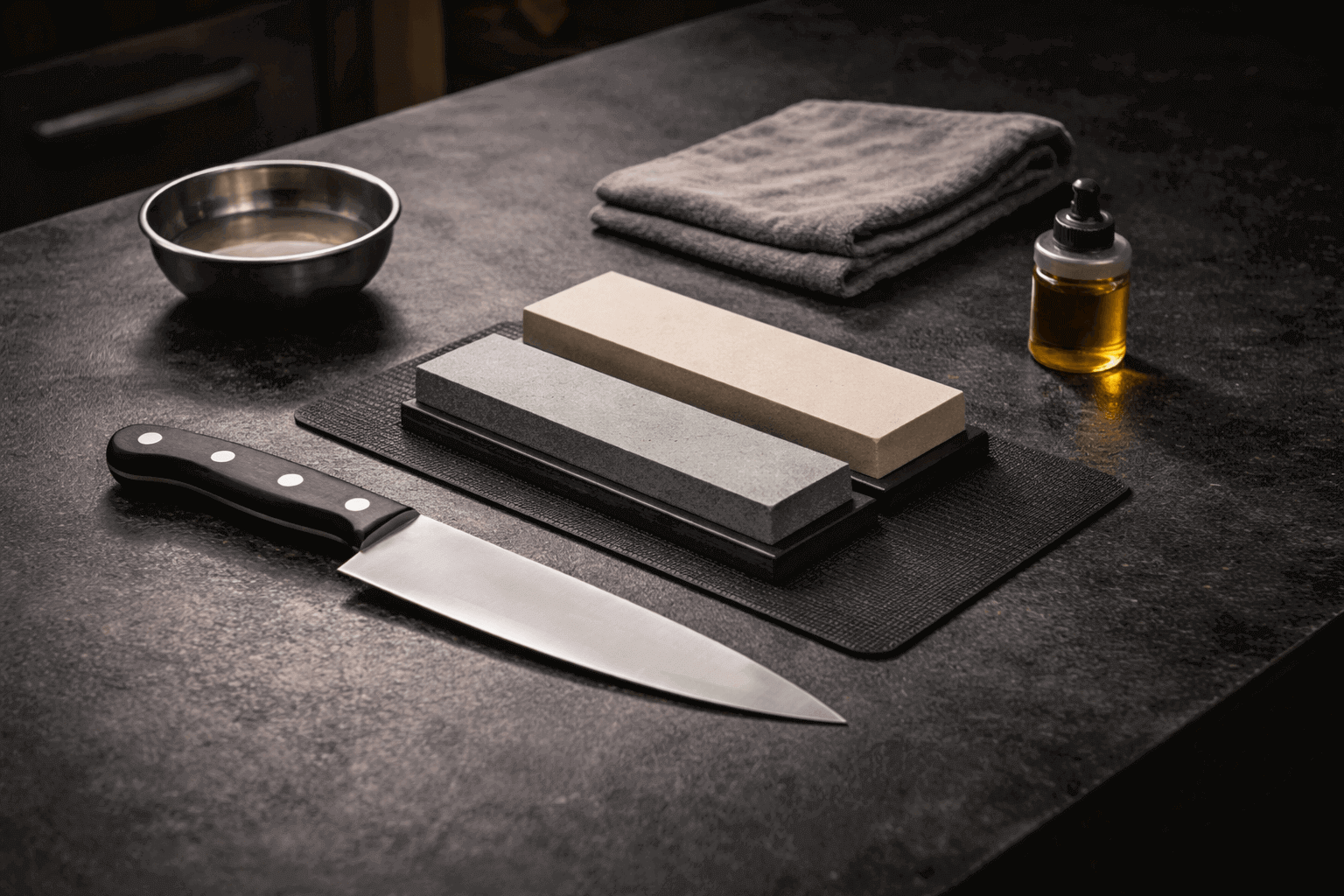
I’m a Beginner
Start with simple sharpening stones. Perfect for home cooks learning knife sharpening ⤵︎
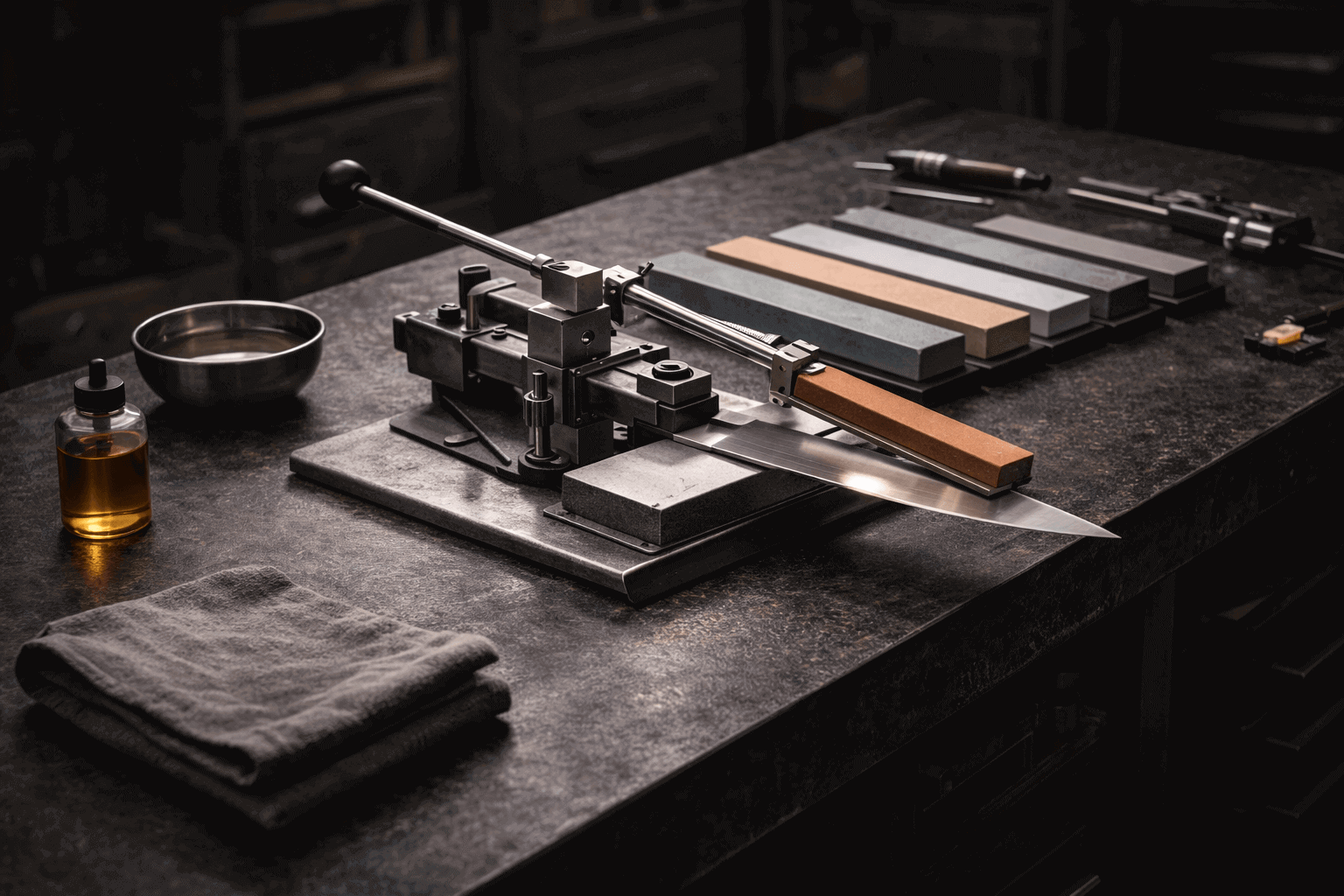
I’m an Advanced Sharpener
Upgrade your sharpening with premium stones and precision systems ⤵︎
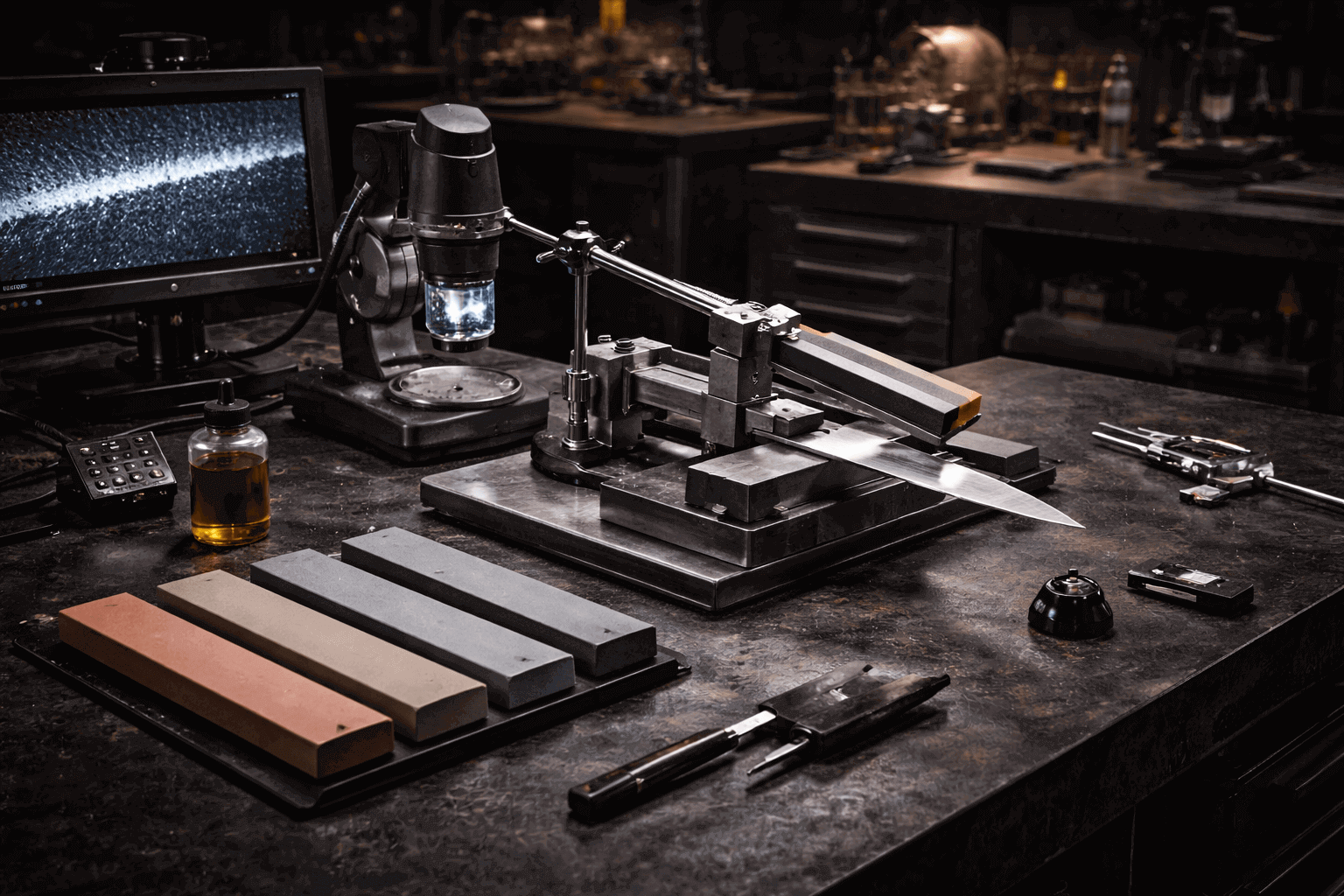
I’m a Professional
High-performance sharpening systems designed for knife makers and workshops ⤵︎
Shop by Category
Explore our most popular sharpening and knife-making categories.
Professional tools trusted by knife makers and sharpening enthusiasts.
Professional tools trusted by knife makers and sharpening enthusiasts.
Featured Products
Not sure where to start? Choose from our Best Sellers, discover New Products, or explore the Top Rated sharpening tools trusted by professionals.
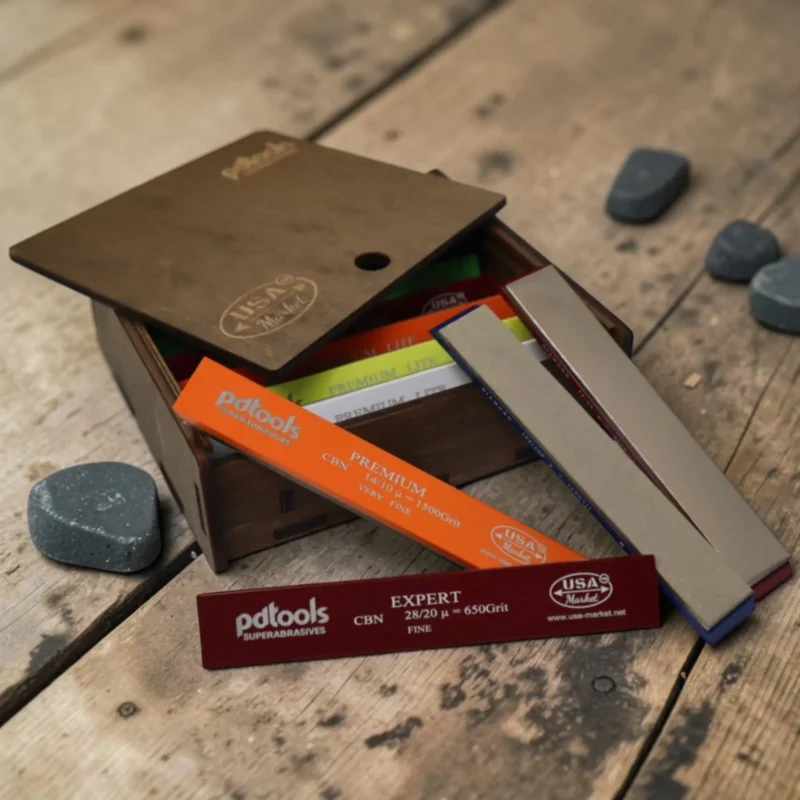

A NEW TREND SET (8) PDT CBN Stones (Mix Bond)
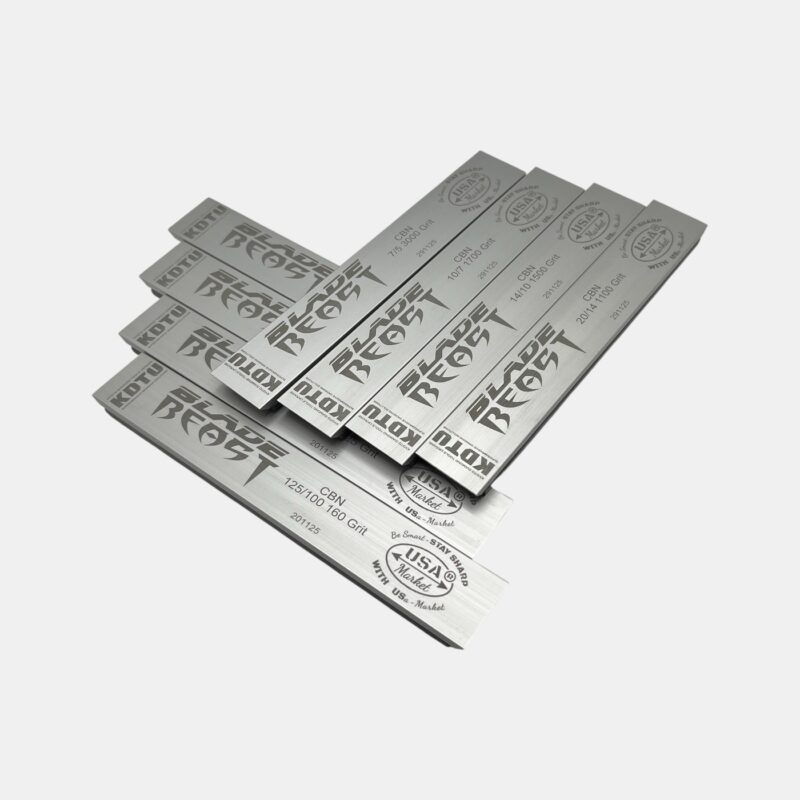
BLADE BEAST (Silver) — Metal Bond Sharpening Stone 1″ x 6″ (25mm x 150mm)
$97.00 Select options This product has multiple variants. The options may be chosen on the product page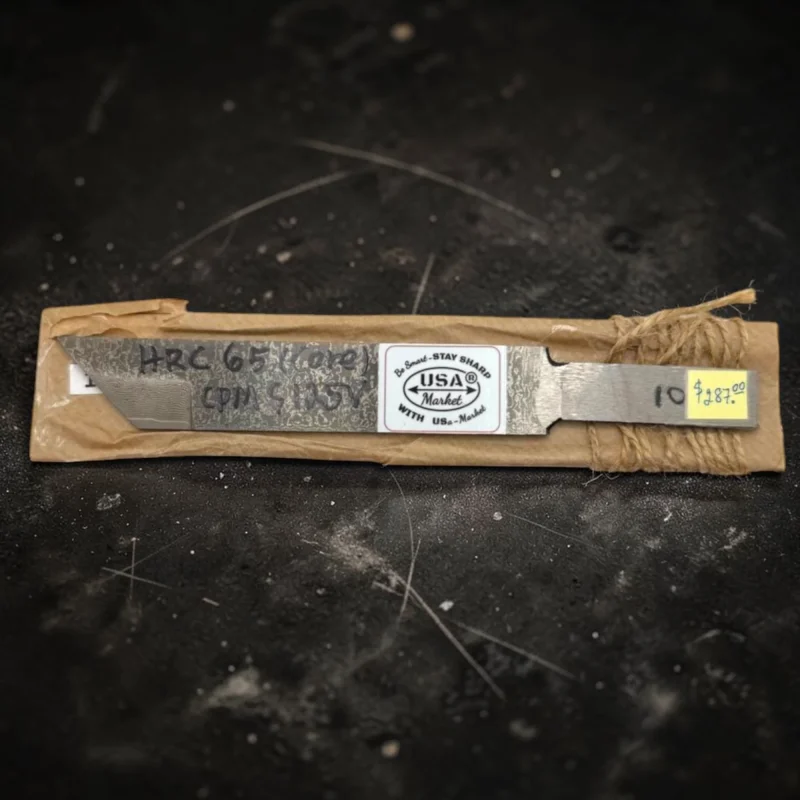
California San Mai Steel #10 – Hand-Forged Vanadis 10 Core | 64 Layer Stainless Damascus Knife Blank
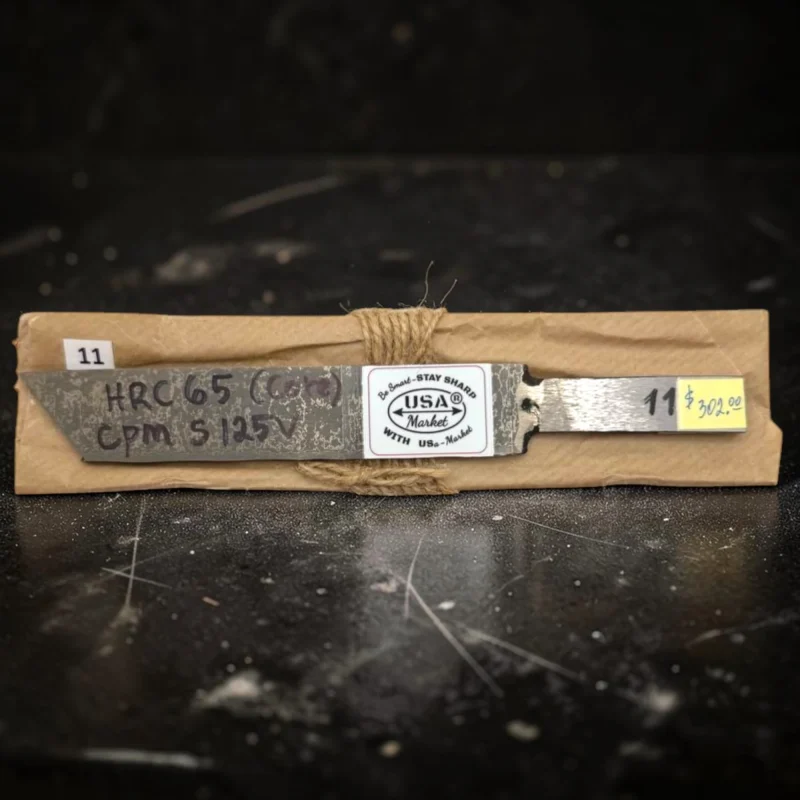
California San Mai Steel #11 – Hand-Forged Vanadis 10 Core | 64 Layer Stainless Damascus Knife Blank
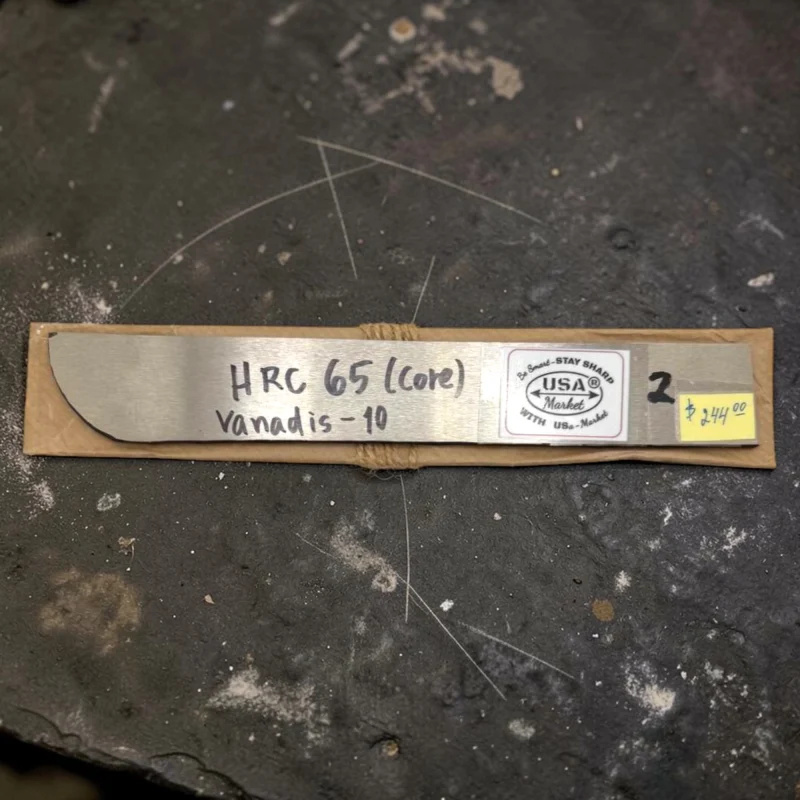
California San Mai Steel #2 – Hand-Forged Vanadis 10 Core | 64 Layer Stainless Damascus Knife Blank
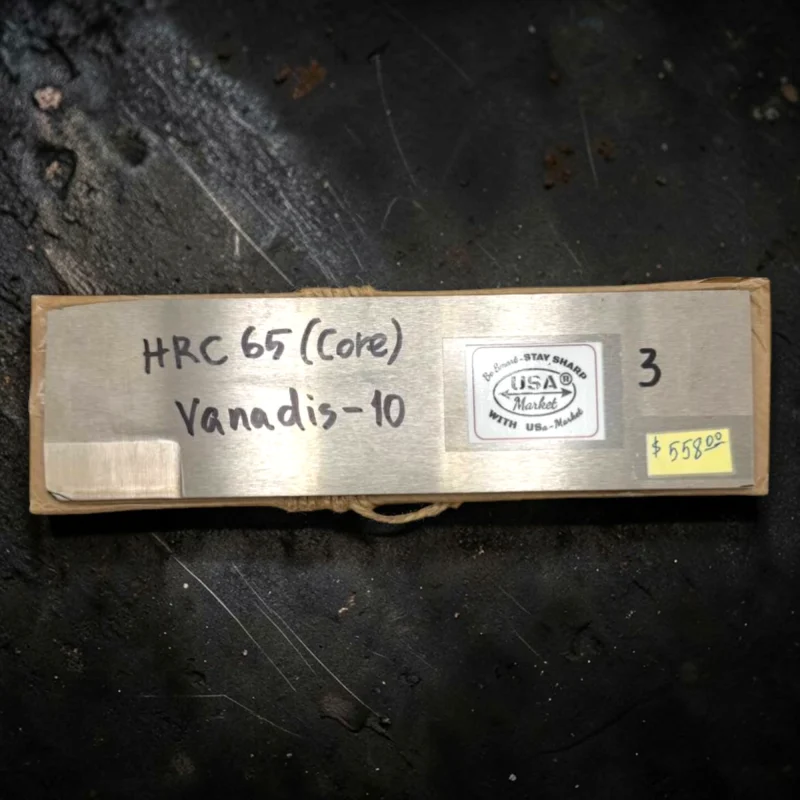
California San Mai Steel #3 – Hand-Forged Vanadis 10 Core | 64 Layer Stainless Damascus Knife Blank
A NEW TREND SET (8) PDT CBN Stones (Mix Bond)
BLADE BEAST (Silver) — Metal Bond Sharpening Stone 1″ x 6″ (25mm x 150mm)
$97.00 Select options This product has multiple variants. The options may be chosen on the product pageCalifornia San Mai Steel #10 – Hand-Forged Vanadis 10 Core | 64 Layer Stainless Damascus Knife Blank
California San Mai Steel #11 – Hand-Forged Vanadis 10 Core | 64 Layer Stainless Damascus Knife Blank
California San Mai Steel #2 – Hand-Forged Vanadis 10 Core | 64 Layer Stainless Damascus Knife Blank
California San Mai Steel #3 – Hand-Forged Vanadis 10 Core | 64 Layer Stainless Damascus Knife Blank
A NEW TREND SET (8) PDT CBN Stones (Mix Bond)
BLADE BEAST (Silver) — Metal Bond Sharpening Stone 1″ x 6″ (25mm x 150mm)
$97.00 Select options This product has multiple variants. The options may be chosen on the product pageCalifornia San Mai Steel #10 – Hand-Forged Vanadis 10 Core | 64 Layer Stainless Damascus Knife Blank
California San Mai Steel #11 – Hand-Forged Vanadis 10 Core | 64 Layer Stainless Damascus Knife Blank
California San Mai Steel #2 – Hand-Forged Vanadis 10 Core | 64 Layer Stainless Damascus Knife Blank
California San Mai Steel #3 – Hand-Forged Vanadis 10 Core | 64 Layer Stainless Damascus Knife Blank
See Every Detail of Your Edge
Professional optical microscope designed for knife sharpening. Inspect the cutting edge, bevels, scratches, and burr formation with crystal-clear precision and 360° adjustable lighting.
SharpX® — The Next Generation of Knife Sharpening
Engineered by USA-Market®, the SharpX® system introduces a patented 90° fixed-angle stone holder and flip-and-rotate design that ensures perfect sharpening angles and consistent results every time.
Explore our knowledge base
Discover expert knowledge about knife sharpening, sharpening stones, steel types, and professional techniques.
How to Inspect a Knife Edge with a Microscope
Lorem ipsum dolor sit amet, consectetur adipiscing elit,…
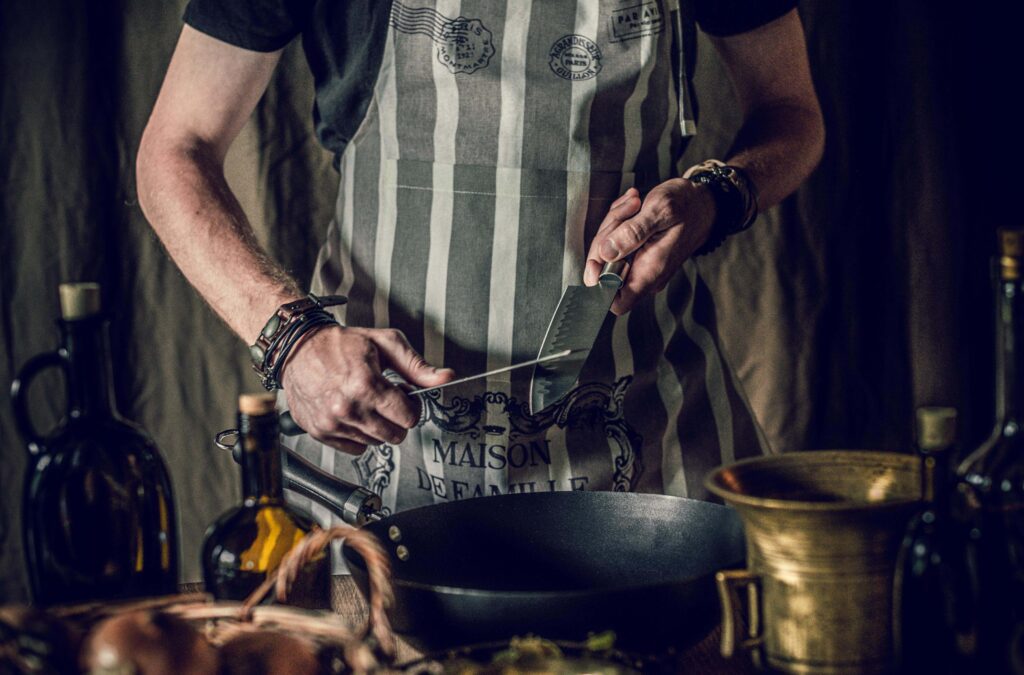
How to Choose the Right Sharpening Stone?
Choosing the right sharpening stone is the key to achieving a razor-sharp edge.
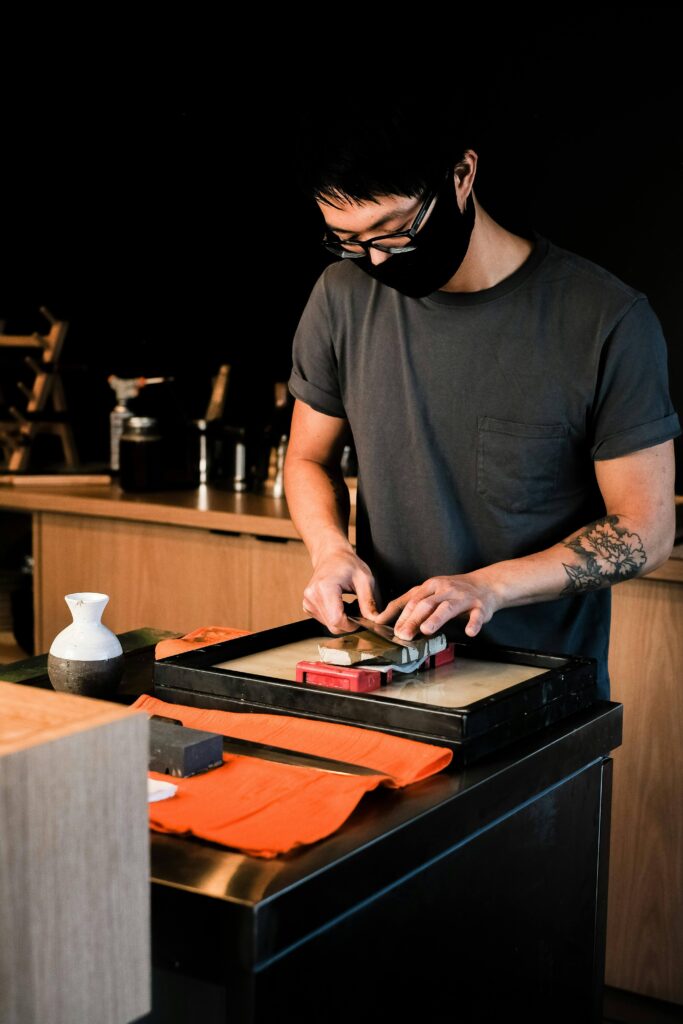
Diamond vs CBN Stones. What’s the Difference?
Diamond and CBN stones are among the most advanced sharpening abrasives today.
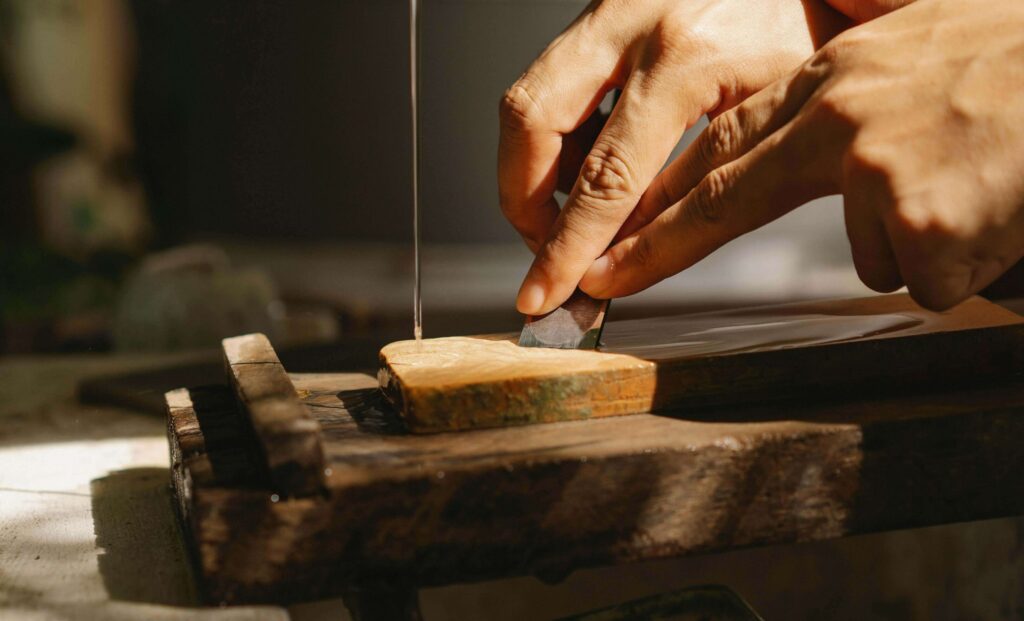
The Perfect Sharpening Angle
Sed adipiscing diam donec adipiscing tristique risus
The sharpening angle determines how sharp, durable, and long-lasting your edge will be. Discover the most effective angles for kitchen knives, outdoor blades, and professional tools.
Common Knife Sharpening Mistakes
Pellentesque habitant morbi tristique senectus et netus
Even experienced sharpeners can make mistakes that damage an edge or reduce performance. Learn the most common sharpening errors and how to avoid them for consistent, professional results.
Why a Guided Sharpening System Improves
Mattis vulputate enim nulla aliquet porttitor lacus
Guided sharpening systems provide consistent angles and greater control than freehand sharpening. Learn how modern systems like SharpX help achieve repeatable, high-precision edges with less effort.
How to Inspect a Knife Edge with a Microscope
Pellentesque habitant morbi tristique senectus et netus.
A sharpening microscope reveals details invisible to the naked eye. Discover how magnification helps identify burr formation, scratch patterns, and edge damage to improve sharpening accuracy.
Frequently Asked Questions
Find answers about sharpening stones, knife steels, sharpening systems, and professional sharpening techniques. Our team has been working with sharpening tools since 2010 and we’re happy to help you achieve the perfect edge.
Work with USA-Market® as a Dealer or Distributor. Contact us!
What sharpening stone should I start with?
If you are new to sharpening, we recommend starting with a medium grit stone around 600–1000 grit. This grit is ideal for restoring sharpness and maintaining most kitchen and everyday knives.
For a complete sharpening process many users combine:
– 600–1000 grit for sharpening.
– 2000–3000 grit for refining.
– 6000+ grit for polishing.
Our Best Seller stone sets are designed specifically to cover this full progression.
For a complete sharpening process many users combine:
– 600–1000 grit for sharpening.
– 2000–3000 grit for refining.
– 6000+ grit for polishing.
Our Best Seller stone sets are designed specifically to cover this full progression.
What is the difference between Diamond and CBN stones?
Both abrasives are extremely durable and efficient, but they perform differently.
Diamond stones:
– Aggressive cutting.
– Excellent for hard steels.
– Faster material removal.
CBN stones:
– More consistent scratch pattern.
– Longer lifespan in many cases.
– Very stable during sharpening.
Many professional sharpeners prefer CBN stones for precision sharpening, while diamond stones are excellent for fast stock removal.
Diamond stones:
– Aggressive cutting.
– Excellent for hard steels.
– Faster material removal.
CBN stones:
– More consistent scratch pattern.
– Longer lifespan in many cases.
– Very stable during sharpening.
Many professional sharpeners prefer CBN stones for precision sharpening, while diamond stones are excellent for fast stock removal.
What sharpening angle should I use?
The sharpening angle determines both sharpness and durability.
Typical angles:
– 12–15° per side — very sharp, ideal for Japanese knives.
– 15–18° per side — best balance for most kitchen knives.
– 20° per side — stronger edge for outdoor and utility knives.
Using a guided sharpening system like SharpX helps maintain the exact angle for consistent results.
Typical angles:
– 12–15° per side — very sharp, ideal for Japanese knives.
– 15–18° per side — best balance for most kitchen knives.
– 20° per side — stronger edge for outdoor and utility knives.
Using a guided sharpening system like SharpX helps maintain the exact angle for consistent results.
How often should knives be sharpened?
This depends on how often the knife is used.
Typical recommendations:
– Home kitchen knives: every 2–3 months
– Professional chefs: every 2–4 weeks
– Outdoor knives: when performance drops.
Regular maintenance with fine stones or strops will extend the time between full sharpenings.
Typical recommendations:
– Home kitchen knives: every 2–3 months
– Professional chefs: every 2–4 weeks
– Outdoor knives: when performance drops.
Regular maintenance with fine stones or strops will extend the time between full sharpenings.
Do I need a sharpening system or can I sharpen freehand?
Both methods work, but they serve different users.
Freehand sharpening:
– Traditional method.
– Requires practice.
– Maximum flexibility.
Guided sharpening systems:
– Perfect angle control.
– Consistent results.
– Much easier for beginners.
Many enthusiasts choose systems like SharpX because they allow professional results even without years of experience.
Freehand sharpening:
– Traditional method.
– Requires practice.
– Maximum flexibility.
Guided sharpening systems:
– Perfect angle control.
– Consistent results.
– Much easier for beginners.
Many enthusiasts choose systems like SharpX because they allow professional results even without years of experience.
What is Californian San Mai Steel?
Californian San Mai Steel is our proprietary blade construction developed in California.
It combines:
– a high-hardness cutting core for excellent edge retention.
– protective outer layers that improve durability and corrosion resistance.
This multi-layer construction creates blades that are both extremely sharp and highly resilient, making them ideal for everyday use and professional kitchens.
How do I know when my knife is fully sharpened?
The most reliable indicator is the formation of a burr along the entire edge.
Signs that sharpening is complete:
– a burr can be felt along the edge.
– the scratch pattern is consistent.
– the knife cleanly slices paper or tomato skin.
Advanced users often inspect the edge with a sharpening microscope to achieve perfect results.
It combines:
– a high-hardness cutting core for excellent edge retention.
– protective outer layers that improve durability and corrosion resistance.
This multi-layer construction creates blades that are both extremely sharp and highly resilient, making them ideal for everyday use and professional kitchens.
How do I know when my knife is fully sharpened?
The most reliable indicator is the formation of a burr along the entire edge.
Signs that sharpening is complete:
– a burr can be felt along the edge.
– the scratch pattern is consistent.
– the knife cleanly slices paper or tomato skin.
Advanced users often inspect the edge with a sharpening microscope to achieve perfect results.